Building a Cart for Easy Transport of Proportional Valve Drivers
Understanding Proportional Valve Drivers
What Is a Proportional Valve Driver?
A proportional valve driver serves as a crucial component in hydraulic and pneumatic systems, ensuring precise control over fluid flow and pressure. This device regulates the opening of valves based on the input signal it receives, allowing for a more responsive and accurate performance compared to traditional on/off control methods. In various applications, such as automation, robotics, and aerospace, the proportional valve driver plays a vital role in enhancing system efficiency by adjusting the valve positions in real-time. This adaptability is essential for achieving optimal performance and energy savings in hydraulic systems.
Key Components of Proportional Valve Electronics
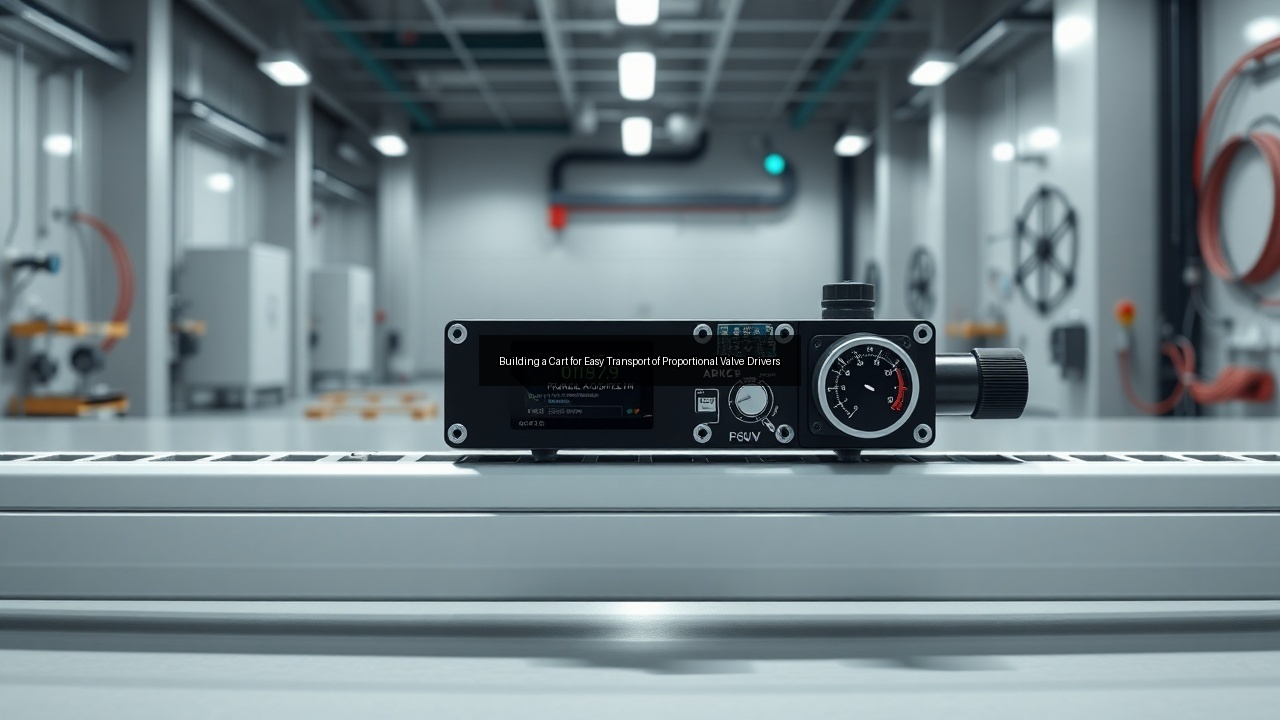
Proportional valve electronics consist of several key components that work together to facilitate smooth operation. The primary elements include the control unit, the power supply, and the actual valve itself. The control unit interprets input signals, typically from a potentiometer or digital interface, and sends the appropriate voltage to the valve's coil. The coil generates a magnetic field that actuates the valve, allowing for the desired flow rate. Additionally, advanced models may incorporate features like integrated digital displays for real-time monitoring and diagnostics, enhancing user interaction and troubleshooting capabilities.
The Role of Voltage and Coil in Operation
Voltage plays a fundamental role in the operation of proportional valve drivers. The input voltage determines the current supplied to the valve's coil, which directly influences the valve's position and flow rate. A higher voltage typically increases the magnetic field strength, allowing the valve to open wider, thereby permitting more fluid to pass through. Conversely, a lower voltage results in reduced flow. Understanding this relationship is crucial for optimizing performance, as improper voltage levels can lead to erratic valve behavior and potential system failures. Proper calibration and voltage monitoring ensure that the proportional valve operates efficiently within its specified parameters.
Designing the Transport Cart
Choosing the Right Materials for Durability
When building a transport cart for proportional valve drivers, selecting durable materials is essential to ensure longevity and reliability. Metal frames, such as those made from aluminum or steel, provide the strength needed to support the weight of electronic components and hydraulic valves. The cart should also include features like rubberized wheels for easy maneuverability across various surfaces, from workshop floors to outdoor environments. Weather-resistant coatings can protect the cart from moisture and environmental factors, ensuring that it maintains its integrity even in challenging conditions. The choice of materials significantly impacts both the cart's performance and maintenance needs over time.
Integrating DIN Rail for Easy Mounting
Integrating a DIN rail into the transport cart design simplifies the mounting process of proportional valve drivers and associated electronics. DIN rails offer standardized mounting solutions, allowing for easy installation and removal of components like PCBs and amplifiers. This feature is especially useful during maintenance or upgrades, as it minimizes downtime and effort. Additionally, the flexibility of DIN rail configurations enables users to customize their setups according to specific operational needs. Properly securing components on the DIN rail ensures that they remain stable during transport, reducing the risk of damage to sensitive electronics like digital displays and control interfaces.
Incorporating Digital Displays and Controls
Incorporating digital displays and controls into the transport cart enhances user experience and operational efficiency. A digital display provides real-time feedback on valve performance, allowing operators to monitor parameters such as voltage, flow rate, and system status. Incorporating user-friendly controls, such as push buttons or touch screens, allows for quick adjustments without the need for complex programming. This accessibility is particularly important in fast-paced environments where immediate responses are crucial. By integrating these advanced features, the transport cart not only becomes a tool for mobility but also an interactive hub for managing proportional valve drivers effectively.
Enhancing Functionality with Advanced Features
Using Near Field Communication (NFC) for Interface
Utilizing Near Field Communication (NFC) technology in the transport cart allows for seamless interaction between the cart and compatible devices. NFC enables quick data transfer and communication between the cart's digital displays and nearby smartphones or tablets. This feature can facilitate easy configuration changes, firmware updates, or data logging without the need for physical connections. For instance, technicians can use NFC-enabled devices to adjust settings or troubleshoot issues by simply bringing their device close to the cart. This innovative approach streamlines maintenance processes and enhances the overall user experience while ensuring that the proportional valve driver operates at peak efficiency.
Implementing H-Bridge and Amplifiers for Control
Incorporating H-Bridge circuits and amplifiers into the transport cart design enhances control over the proportional valve driver. The H-Bridge configuration allows for bidirectional control of the valve, enabling it to open and close more effectively based on the input signal. Amplifiers boost the control signals to ensure that the valve responds accurately to changes in voltage. This combination allows for finer control over fluid dynamics, improving the responsiveness of the hydraulic or pneumatic systems. As a result, operators can achieve more precise adjustments, leading to better overall performance and increased reliability in demanding applications.
Compatibility with SAE J1939 Standards
Ensuring compatibility with SAE J1939 standards is crucial for integrating proportional valve drivers into larger control systems, especially in North America. SAE J1939 is a set of protocols used for communication between electronic control units in heavy-duty vehicles and equipment. By designing the transport cart to accommodate these standards, users can easily integrate their proportional valve drivers with existing systems. This compatibility facilitates smoother communication between devices, allowing for real-time data exchange and enhanced system coordination. Adhering to industry standards not only improves performance but also ensures compliance with regulatory requirements and enhances the overall functionality of hydraulic systems.
Frequently Asked Questions
How to Select the Right Proportional Control Valve Driver?
Selecting the right proportional control valve driver involves considering several factors, including application requirements, voltage specifications, and valve compatibility. Identify the specific fluid dynamics and pressure needs of your system to choose a driver that meets those demands. Ensure that the voltage range of the driver matches your control system to avoid operational issues. Additionally, consider the type of valves you plan to use, as compatibility plays a significant role in performance. Reading product specifications and consulting with manufacturers can provide valuable insights into the best choices for your unique applications.
What Are the Benefits of Using a Cart for Transport?
Using a cart for transporting proportional valve drivers offers numerous advantages. First, it enhances mobility, allowing technicians to easily move equipment between workstations or job sites. This portability minimizes setup time and can increase overall productivity. A cart also provides a centralized location for organizing components, reducing the risk of loss or damage during transport. Furthermore, incorporating features like storage compartments for tools and cables makes it easier to maintain everything needed for successful operations. Overall, a well-designed transport cart streamlines workflow and improves efficiency in handling sensitive electronic components.
Troubleshooting Common Issues with Proportional Valve Drivers
Troubleshooting common issues with proportional valve drivers requires a systematic approach. Start by checking the power supply to ensure that the correct voltage is reaching the driver. Inspect connections and wiring for any signs of damage or loose connections that could affect performance. If the valve does not respond as expected, verify that the input signal is functioning correctly, as issues with the potentiometer or digital interface can cause erratic behavior. Employing diagnostic tools, such as multimeters and oscilloscopes, can aid in identifying and resolving problems quickly. Keeping a log of common issues and their solutions can also enhance future troubleshooting efforts.